

Ledger.com/start: Your Complete Guide to Hardware Wallet Setup
Introduction to Ledger.com/start
Ledger.com/start is the official setup destination for users who want to get started with a compatible Ledger hardware wallet. It provides guidance for connecting a device, installing the recommended wallet application, and completing the initial configuration. Ledger hardware wallets are designed to protect private keys within a physical device while allowing users to manage supported cryptocurrencies through compatible software. Following the official setup process helps users understand the basic steps and security practices needed to manage their digital assets.Understanding the Ledger Setup Page
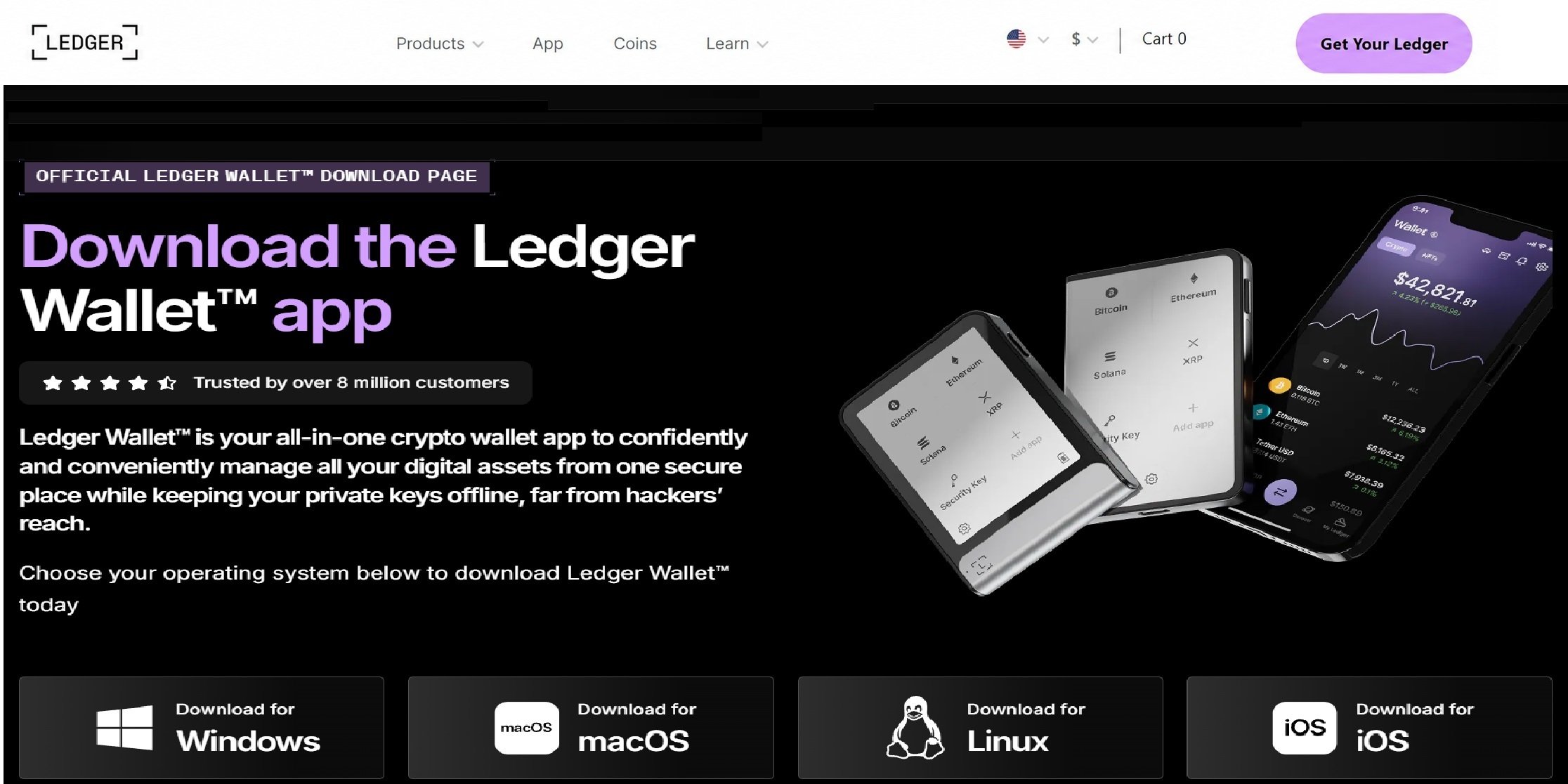
Ledger.com/start provides instructions for preparing and configuring a Ledger hardware wallet. It helps users find the appropriate software, connect their device, and learn how to access available wallet-management features. The recommended application is Ledger Wallet, formerly known as Ledger Live. Through this application, users can review supported accounts, monitor balances, and manage eligible cryptocurrency transactions. Starting with the genuine Ledger website is important because unofficial setup pages and fraudulent downloads can put cryptocurrency users at risk.How to Get Started with Ledger.com/start
Follow these steps to configure your Ledger hardware wallet. Step 1: Open the Official Ledger Website Visit https://www.ledger.com/start using a trusted browser. Check the address carefully to confirm that you are on the official website. Step 2: Connect Your Ledger Device Connect your compatible Ledger hardware wallet to your computer using the recommended USB cable or connection method. Follow the instructions displayed on the device. Step 3: Download Ledger Wallet Follow the official setup guidance to download Ledger Wallet, previously called Ledger Live. Select the version suitable for your operating system. Step 4: Install the Application Open the downloaded installer and complete the installation process. Use only software obtained through official Ledger resources. Step 5: Configure Your Hardware Wallet Open Ledger Wallet and follow the instructions for your device. You may configure a new wallet or restore an existing one, depending on your needs. Step 6: Set Up Your PIN Create a private PIN directly on your Ledger device. Choose a code that is difficult to guess and do not share it with anyone. Step 7: Protect Your Recovery Phrase If you create a new wallet, carefully record the recovery phrase displayed during setup. Store it offline in a secure place. Never share it or enter it into a website, online form, or chat. Step 8: Access Your Accounts After completing the configuration, use Ledger Wallet to review supported accounts, check balances, and explore the available features.Main Features of Ledger Wallet
Ledger Wallet provides a central interface for managing supported digital assets with a compatible hardware wallet.- Portfolio Overview: Review cryptocurrency balances and account information.
- Account Management: Add and organize supported cryptocurrency accounts.
- Transaction History: Review previous transfers and account activity.
- Send and Receive: Manage supported digital asset transactions.
- Device Integration: Connect and manage compatible Ledger hardware wallets.
- Application Support: Explore available apps and services for supported assets.
Why Use Ledger.com/start?
Using Ledger.com/start helps users follow the official device configuration process. It provides access to recommended setup instructions and helps users avoid relying on unknown software sources. The setup guidance also introduces important security practices, including PIN configuration, recovery phrase protection, and transaction verification. These steps help users understand how to operate their hardware wallet responsibly.Essential Security Tips
Protecting your cryptocurrency wallet should always be a priority.- Download Ledger Wallet only from official Ledger sources.
- Never disclose your PIN or recovery phrase.
- Do not enter recovery words into websites or online forms.
- Verify recipient addresses and transaction amounts on your physical device.
- Avoid suspicious emails, messages, and unofficial downloads.
- Keep your computer and wallet application updated.